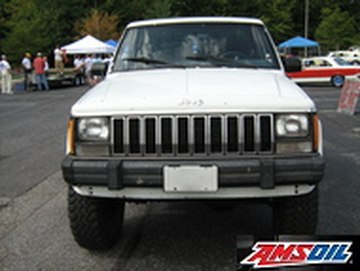
Engine Lubrication Maintenance for the 1982 Jeep CHEROKEE 5.9L
Maintaining a large-displacement engine requires consistent attention to lubrication quality and system integrity. For owners of a 1982 Jeep CHEROKEE equipped with the 5.9L engine, routine service is not merely about changing fluids; it involves a comprehensive approach to monitoring how the engine manages heat, friction, and potential contaminants over time.
Monitoring Fluid Integrity and Consumption
One of the most effective ways to monitor the health of the 5.9L engine is through regular observation of lubricant levels and condition. Because engines of this era are subject to various thermal stresses, it is helpful to establish a baseline by checking the oil level frequently during normal operation.
When inspecting the lubricant, look for changes in its physical properties. If the oil appears excessively dark or has a gritty texture, it may indicate that the interval between services should be reviewed or that contaminants are entering the system. Additionally, any sudden increase in how much oil the engine seems to use warrants a closer inspection of the surrounding components. While some consumption can occur as engines age, significant changes should be investigated to identify potential sources of loss.
It is also useful to look for signs of external seepage. Inspecting the area around the engine block and various sealing surfaces can help identify if any gaskets or seals are beginning to show signs of age-related wear. Catching a small amount of seepage early can prevent more significant issues later on.
System Inspections and Component Condition
A thorough maintenance routine for this vehicle should extend beyond the oil pan. When performing service, take the opportunity to inspect other accessible engine-bay components that contribute to overall engine health. This includes a visual check of any hoses or electrical connections that may show signs of deterioration, such as cracking, fraying, or corrosion.
If equipped, inspecting the condition of drive belts is also a prudent step. Look for evidence of glazing, cracks, or fraying along the edges of the belts. Similarly, if the vehicle has an air filtration system, ensuring the filter is clean and free of debris is essential for preventing particulate matter from entering the combustion process, which ultimately helps maintain the cleanliness of the engine oil.
If you notice any unusual mechanical noises during operation—such as tapping, knocking, or whistling—these should be addressed promptly. Such sounds can be associated with various mechanical conditions and are often more easily managed when diagnosed early.
Managing Long-Term Engine Health
For a vehicle from 1982, long-term ownership often involves transitioning from a standard maintenance schedule to one based on the actual condition of the components. Rather than relying solely on the age of the vehicle, prioritize maintenance tasks based on what you observe during your inspections.
If service records are available, review them to understand the history of repairs and fluid changes. If no records exist, use your current observations to establish a new maintenance baseline. This might involve more frequent oil checks or more detailed visual inspections of seals and hoses. By documenting when you perform services and noting any observed leaks or changes in engine behavior, you create a valuable history that can guide future repair decisions.
Distinguishing between necessary preventive maintenance and unnecessary parts replacement is key to efficient ownership. Focus on addressing active signs of wear—such as minor seepage or aging belts—before they escalate into more complex mechanical issues.
Understanding Lubricant Functions
The engine oil in the 5.9L serves several vital roles that are critical to the vehicle's operation. Beyond simple lubrication, the fluid plays a significant role in heat management by helping to carry thermal energy away from high-temperature areas within the engine. It also acts as a cleaning agent, helping to suspend and transport microscopic particles so they can be captured by the oil filter.
Maintaining the correct chemical properties in the lubricant is essential for managing oxidation and preventing the buildup of deposits. As the oil undergoes repeated heating and cooling cycles, its ability to resist breakdown is what ensures consistent protection for the engine's internal components. Using a high-quality lubricant that meets the necessary standards helps ensure these protective functions are maintained throughout the service interval.
Observing Potential Warning Signs
While many issues can be caught during routine inspections, some symptoms require immediate attention. An oil pressure warning indicator is a critical signal that requires the vehicle to be inspected immediately to prevent potential damage. Similarly, any evidence of overheating—such as rising temperature gauges or steam—should be investigated to determine if it is related to the cooling system or lubrication efficiency.
It is important to remember that symptoms like unusual odors or changes in exhaust appearance can have multiple causes. For example, a burning odor might indicate oil contacting a hot external surface rather than an internal engine issue. Because of this complexity, these signs should be treated as prompts for professional diagnosis rather than definitive proof of a specific component failure.
Practical Steps for BUYING ENGINE OIL for your 1982 Jeep CHEROKEE 5.9L
When you are ready to replenish the lubricant in your engine, it is vital to match the product to the specific requirements of your application. To ensure you select the correct oil, always refer to the vehicle-specific viscosity and application information provided on this webpage.
Before making a purchase, follow these practical steps:
- Verify Viscosity: Match the SAE viscosity grade exactly to the information displayed in the application data above. Do not rely on general knowledge or assumptions about what an older engine might need.
- Check API Certification: Ensure the oil carries a current and appropriate API certification to guarantee it meets modern standards for detergent and anti-wear properties.
- Consider Formulations: Depending on your specific needs, you may choose between conventional, synthetic blend, or full synthetic oils. Some high-mileage formulations also contain additives intended for use in aging engines, including seal-conditioning additives that may be beneficial for older seals.
- Inspect the Label: Always read the product packaging carefully to confirm that the viscosity and service classifications align with the requirements listed for your 1982 Jeep CHEROKEE 5.9L.